By Grace Wei, Wayzata High School
Additional reporting by Vivian Ogunro (Breck School), Amelia Mohamud (Delano High School), Vision Moore (Jefferson High School)
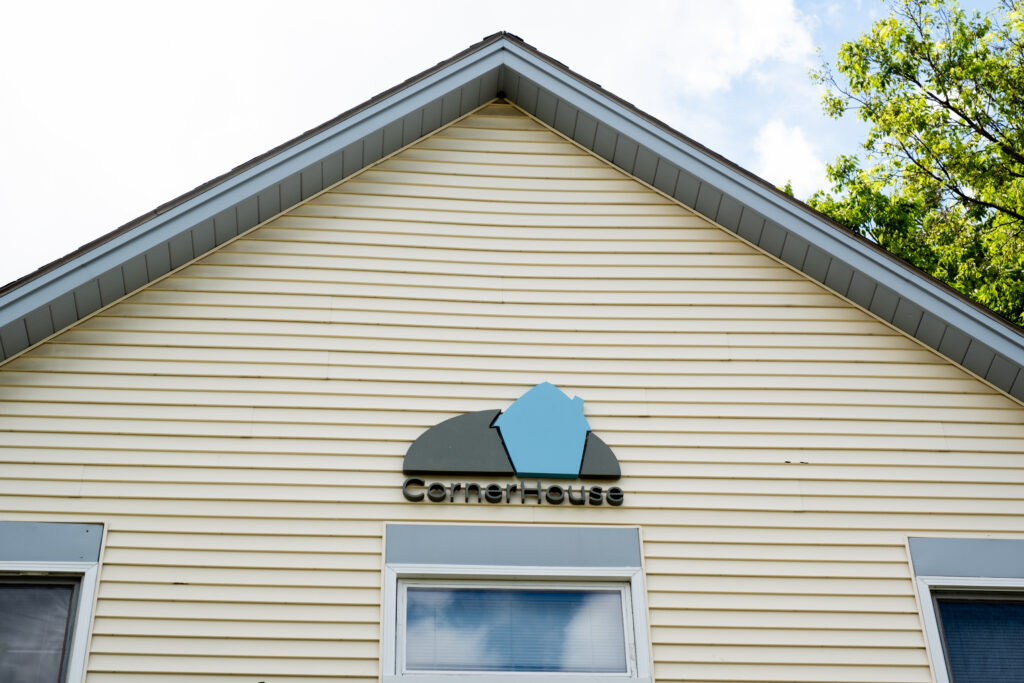
On the corner of a block in south Minneapolis, in the shadow of Children’s Hospital, sits a humble yellow house that looks like any other in the residential neighborhood. This is CornerHouse, a place where trauma from child abuse is treated and transformed.
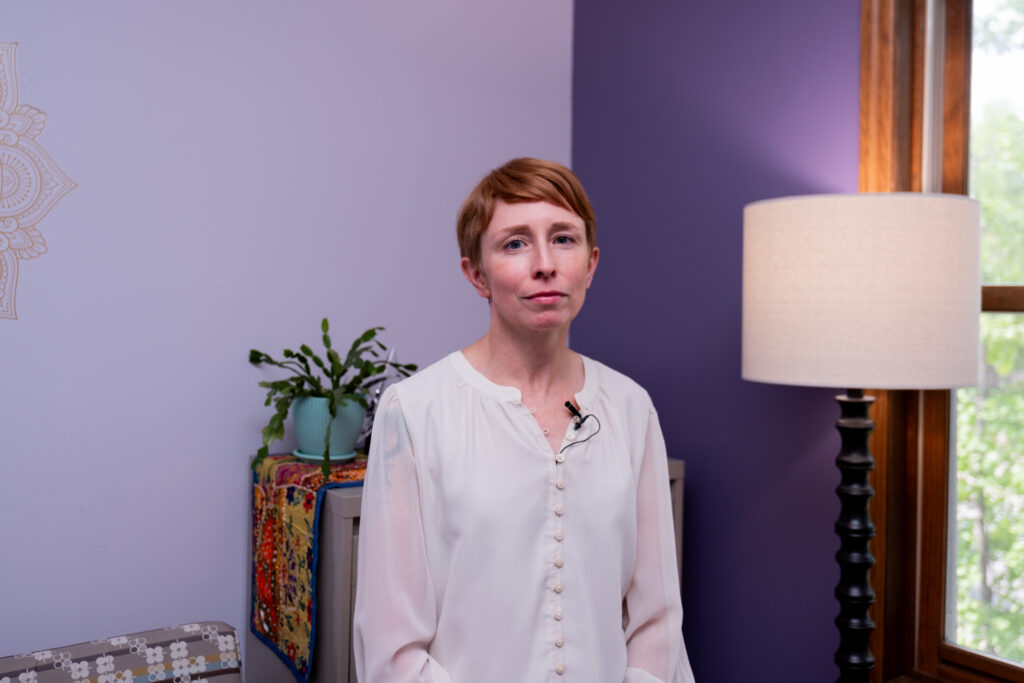
Christy Shannon, executive director and CEO of CornerHouse, knows firsthand how important it is to treat child abuse by prioritizing their comfort level. She herself has experienced abuse and has spent her career supporting victims of it.
“It’s a critical, essential service,” she said.
Child abuse is more common than people may realize. At least one in seven American children experience abuse, according to the U.S. Centers for Disease Control and Prevention. In 2024, MN Compass reported that 1.3 million children ages 17 or younger lived in Minnesota. If Minnesota mirrors the national estimate, almost 186,000 children have potentially experienced abuse.
“It creates such trauma that can ripple through generations and really affect families,” Shannon said.
But healing is possible. Children’s Advocacy Centers such as CornerHouse offer forensic interviews after abuse and ongoing mental health support for children and their families, including therapy. According to its mission, CornerHouse “helps children find their voice, families find support, and communities build safer futures.”
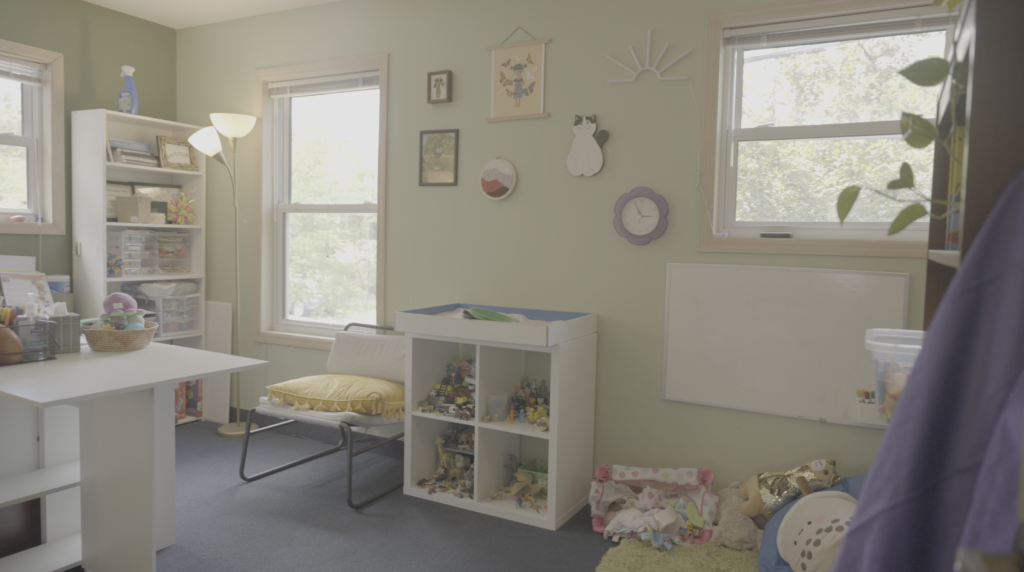
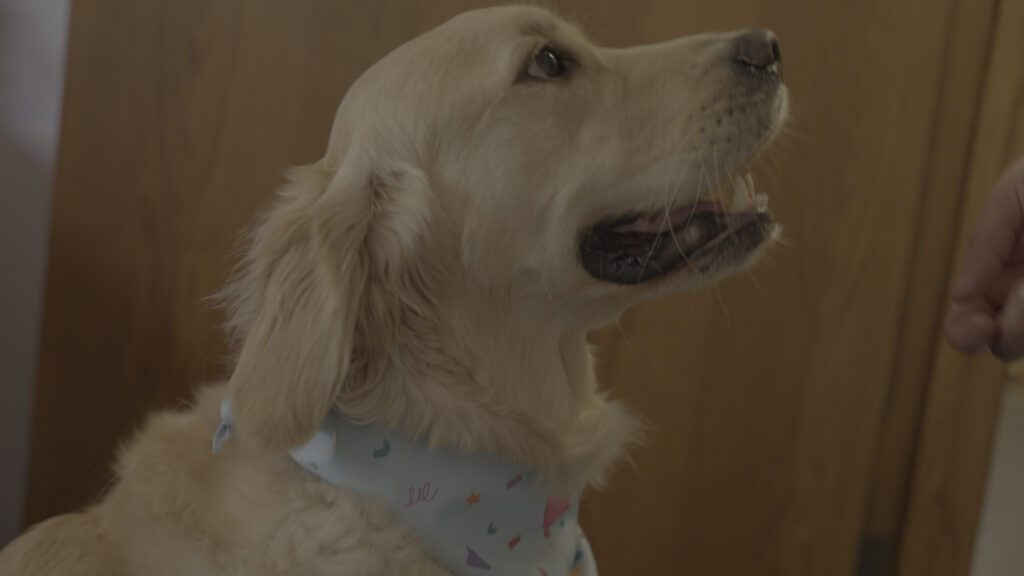
Upon entering CornerHouse, children and their families will find a labyrinth of rooms for therapy and service providers who focus on making them feel comfortable. Calming colors paint the walls and toys for the children to play with are scattered around. Stuffy, the fluffy golden retriever, is always waiting to calm a child down with his expert manners and training.
But not everyone in Minnesota has access to these resources. There aren’t currently enough child advocacy centers to serve all the people who need them in Minnesota. The state has 87 counties but just 14 centers, Shannon said. Federal funding cuts, she said, have caused some to reduce services and others to close entirely. Ideally, Shannon said, “a child and family could get to a Children’s Advocacy Center within an hour.”
The federal government regarded 74 out of 87 counties in Minnesota as mental health shortage areas.
“We have more work to do in Minnesota,” Shannon said.
•••
Last year, CornerHouse served over 1,700 clients, including the children’s family members and close peers affected by abuse.
Despite media portrayals of stranger danger, Shannon said “90% of abuse happens by somebody the child or family knows.”
The shock is universal: “100% of the caregivers who come to us did not think that would happen in their family,” she said.
Shannon said the norm used to be for police or therapists to interview children who had been abused. Many of them were not trained on how to communicate with kids and the experience was often scary.
CornerHouse, and other Children’s Advocacy Centers, were born out of a desire to do interviews in a way that was more comfortable for young people and gather valuable evidence.
“That’s our entire model and mission: We are child focused, and that’s how we build the trust,” Shannon said.
Child abuse is widespread and often not preventable. But there are some things adults can do to minimize the likelihood of abuse and reduce harm when it does.
Adults should create open lines of communication between them and their children, creating environments where everyone can speak up when they are uncomfortable or if something has happened.
“It’s like it lives in the shadows. It lives in places where no one’s questioning that person that gives them a bad feeling,” Shannon said. “Or kids have maybe a little too much freedom of what they are doing online.”
One of the biggest ways to support a child? “Just making sure your child feels comfortable talking to you about anything that makes them uncomfortable,” Shannon said.
If it does happen, Shannon is clear that child abuse is not the end of the world. “[If] you get the tools and support you need, you can go on and be resilient,” she said.
•••
Shannon said success looks like reduction of trauma symptoms in clients and their ability to manage those symptoms as they come up in their lives moving forward:
“So what we feel like success is is children have the tools that they need as they grow into adults to understand what healthy relationships are, to feel empowered to say something if they are uncomfortable, to navigate trauma symptoms as they come up.”
Success also looks like recent feedback from a caregiver whose child received support from CornerHouse: “I get home and my child is able to express themselves, and they’re able to be a kid again and come out of their shell, and like it was before the abuse happened,” Shannon said, recalling the feedback.
•••
Aly Gray is a CornerHouse client who started a bracelet company to raise money for the advocacy center that helped her. She experienced childhood sexual abuse perpetrated by her grandfather. Today, Bracelets for Bravery, continues to carry the CornerHouse mission forward..
“Resilience, I’ve come to learn, is not something you’re born with—it’s something you build piece by piece,” Gray wrote on her Bracelets for Bravery website. “When I first opened up about the man, I thought my dad would hate me. The guilt and shame washed over me every day, as if I had shattered something irreparable inside him.”
She founded the business with her brother, Avery. For each purchase of a bracelet, 75% of proceeds goes toward CornerHouse.
“But instead of letting that brokenness define me, I found strength in the people who supported me, in my father’s unwavering love,” she wrote.
Gray writes that she refuses “to be defined by a past I didn’t choose. It is my commitment to strength, resilience, and telling my story until it is heard loud and clear.”
This story was produced by Minnesota teens through ThreeSixty Journalism’s 2026 Multimedia Storytelling Institute, funded by Blue Cross and Blue Shield of Minnesota, as part of its commitment to investing in community-led solutions, so everyone has the opportunity to achieve their healthiest life.
