By Stella Soegianto, Eagle Ridge Academy
Additional reporting by Charlie Xiong, Johnson Senior High, Anais Froberg-Martinez, Perpich Center for Arts Education , and King Primus, Roseville Area High School
Increasingly popular art therapy programs, including two in the Twin Cities, are helping Minnesota teens prevent and treat mental health problems.
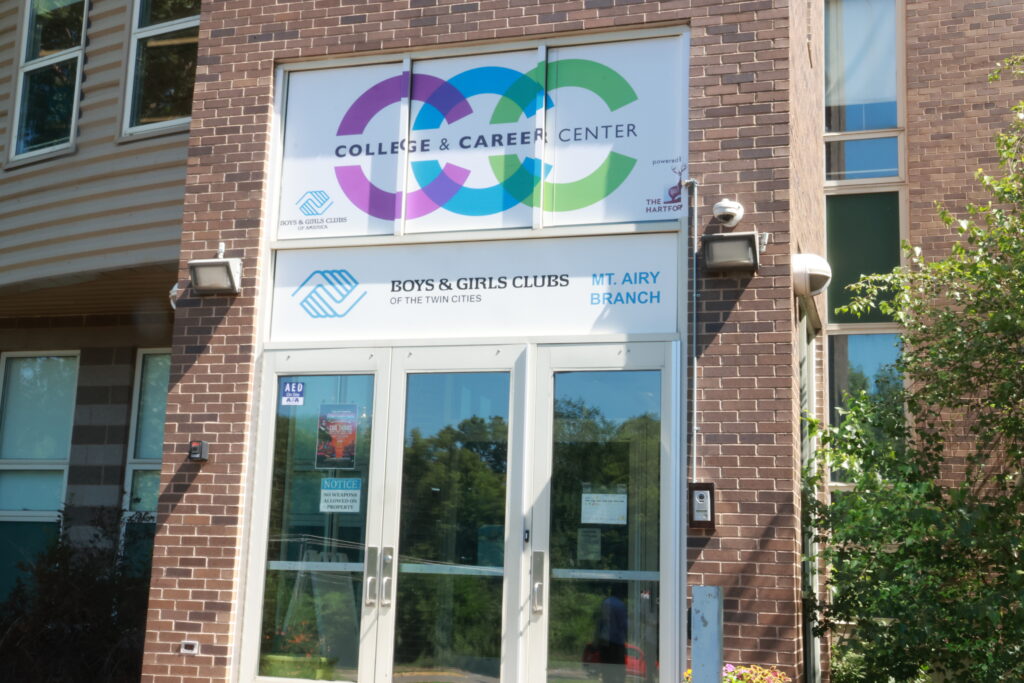
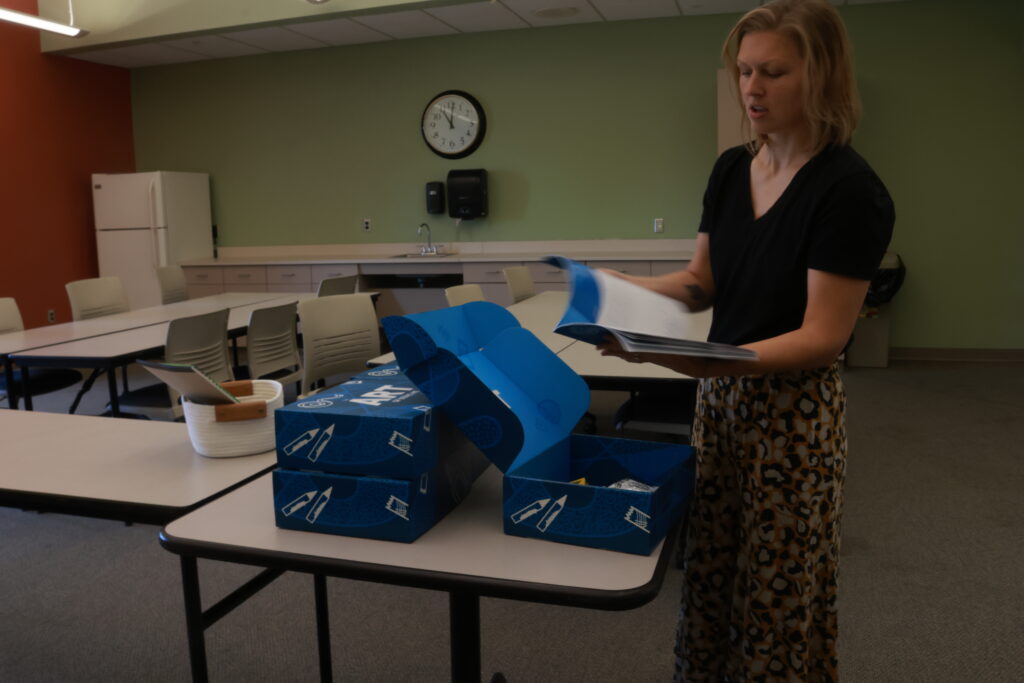
One such program is The Art of Being Me, a joint program of the Boys and Girls Clubs of the Twin Cities and Blue Cross and Blue Shield of Minnesota (BCBS MN). The Art of Being Me has students work with art therapy kits, explore mental wellness during museum tours, and create murals, led by an art therapist.
The program “involves using creative prompts to either guide someone through a process of reflection [or] exploration …really allowing individuals to learn from themselves and what comes up in the art and the process,” said Breanna Bisek, an art therapist with BCBS MN and co-creator of the project.
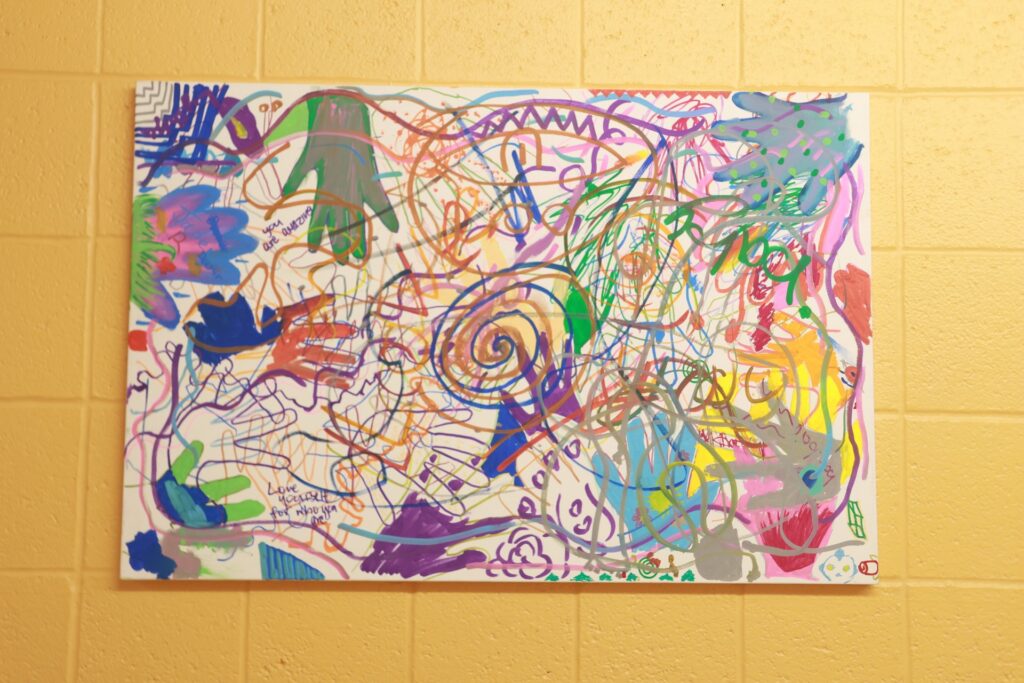
Program leaders report seeing students develop a sense of belonging, confidence, and resilience. Beyond the positive anecdotal evidence, there’s a scientific foundation for art therapy as a promising response to the growing youth mental health crisis.
A 2025 study published by the Australian & New Zealand Journal of Psychiatry reported that multiple controlled trials found that art therapy reduced the severity of post-traumatic stress disorder symptoms, depression and suicidal ideation. Other studies showed “…reductions in anxiety symptoms and improvements in emotion regulation, self-awareness, distress tolerance, confidence, communication and self-expression.”
The authors conclude that “art therapy is an effective and acceptable treatment for young people experiencing acute or severe mental health conditions” and notes its versatility in adapting to young people’s needs.
“We use all different methods of creativity,” said Nikki McComb, leader of Art is My Weapon, another organization that uses art as a tool for healing specifically to support those affected by gun violence. They currently have a gallery show, Fragments Reimagined, at MCAD through August 8.
“From my perspective, art is anything that includes something creative…storytelling, writing, video, audio, dance, theater, visual…” said McComb. “We use [all] those different mediums to help young people and families through things that are disproportionately affecting them.”
Art therapy and healing work is one effective tool in dealing with a worldwide youth mental health crisis, which has been well documented both nationally and in Minnesota.
In 2023, the Minnesota Department of Health reported that one in three high school students reported persistent feelings of sadness or hopelessness, an increase of 40% since 2009. One in four adolescents reported long-term mental health problems. And 20% of students had felt nervous, anxious, depressed or worried for more than seven days in the past two weeks. More than 20% of students have experienced suicidal ideation, with 12.2% considering suicide in the last year.
The Art of Being Me program, according to its creators, explores what happens when teens are given a low-pressure, creative way to name feelings they may not know how to say out loud. And for many teens, talking directly about mental health topics can feel awkward or embarrassing. A blank page, markers, colors and creative prompts can offer another way in.
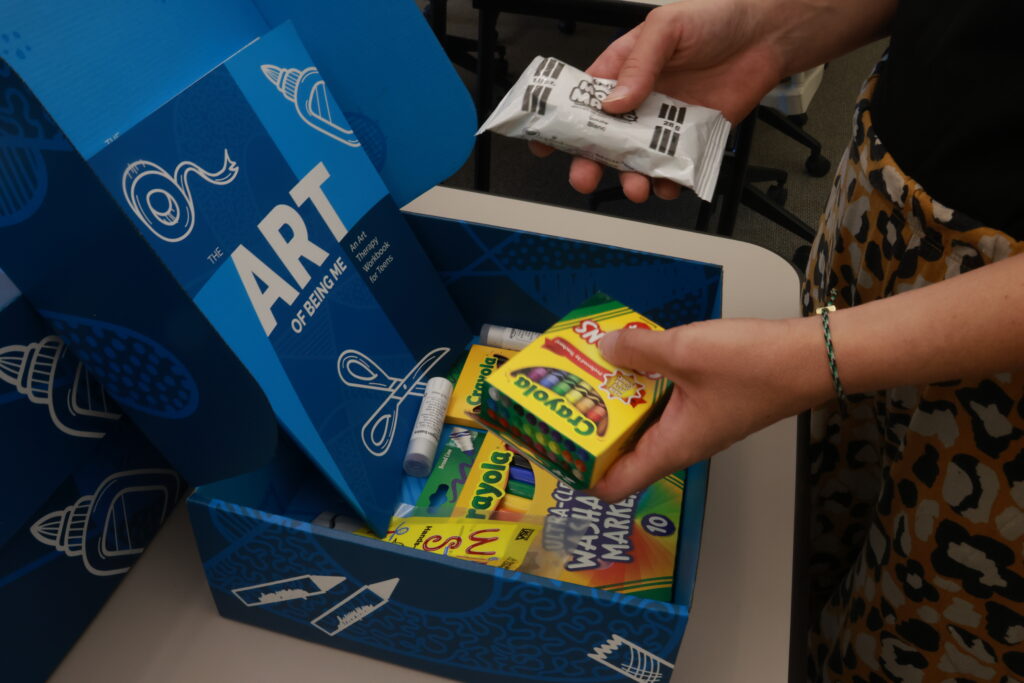
The program gives each participant a workbook and an art kit. The workbook leads teens through activities such as painting hands cradling what they hold onto emotionally, coloring pages full of affirmations, and turning scribbles into personalized artworks. Modelling clay allows teens to sculpt whatever they like.
The object is not to create masterpieces of finished art, but to focus “more on the process and not on the finished outcome,” Bisek said. “Sometimes, you know, a really cool outcome happens, and that’s great, a great surprise. But that’s not what the focus is about. It’s more about the process and learning from that. The creative process really mimics therapy and life in many ways. There are coping skills that are built into it.”
McComb said human connection is necessary for art to have a therapeutic impact.
“By meeting people where they are and having a conversation with them, then we can understand how to guide them through a healing process using art as a catalyst to change,” she said. “I could give you a kit and say, ‘Here, put all your feelings in there and do whatever’ and leave. And what are you going to get out of that? You know, you might, but if there’s no guidance or conversation or ability for you to unload whatever you’re feeling outside of on the canvas, then what?”
BCBS MN, one of the nation’s largest health management organizations and the sponsor of the workshop where this story was produced, sees enough results to continue investing in art therapy.
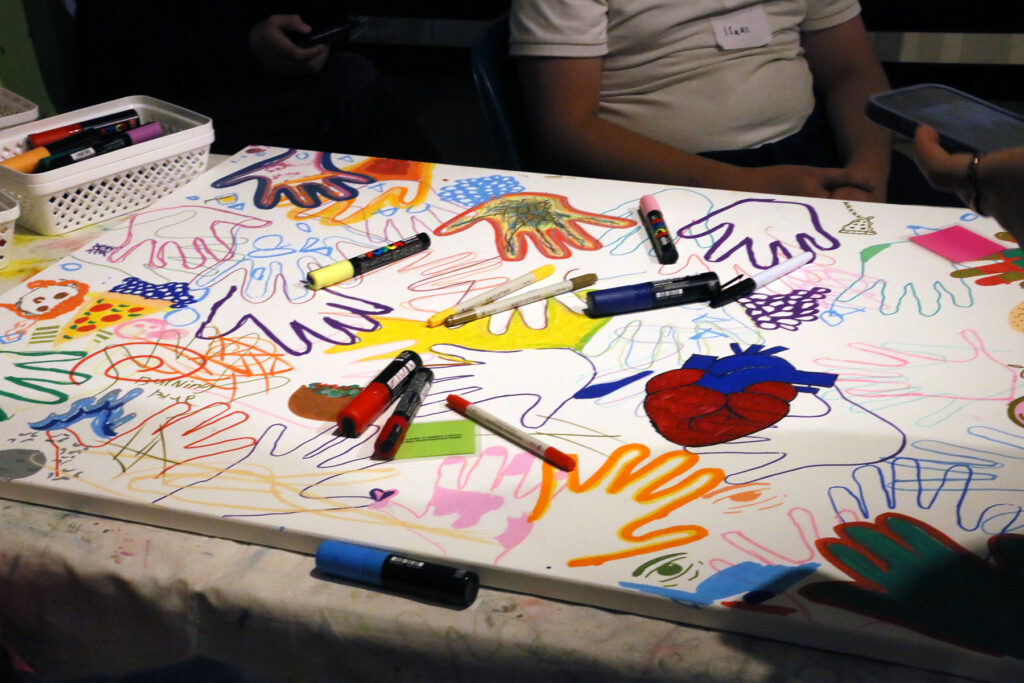
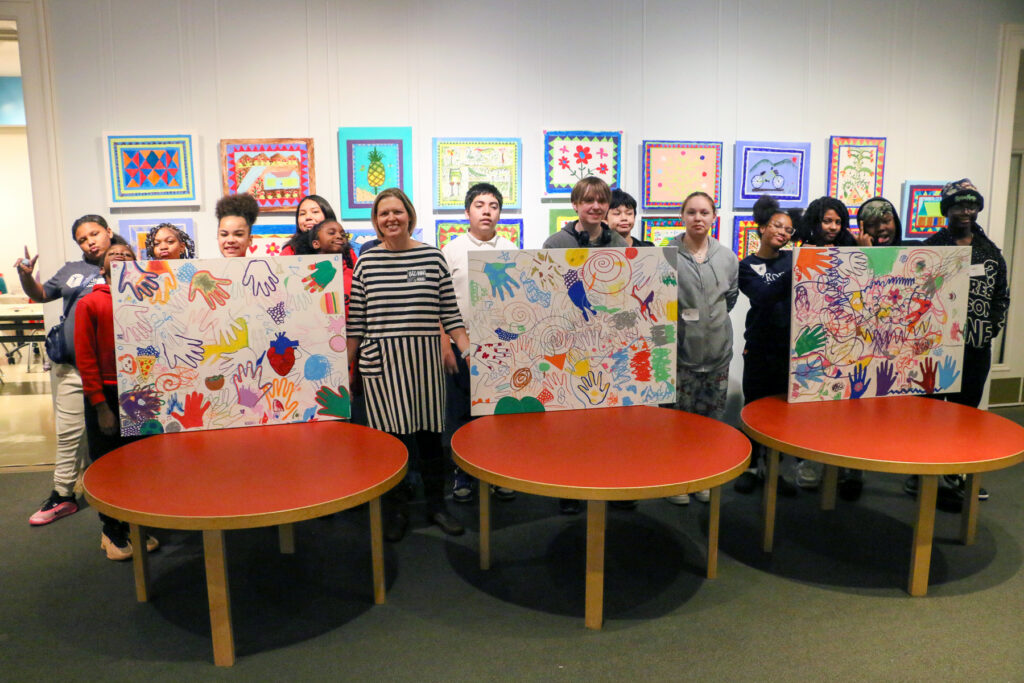
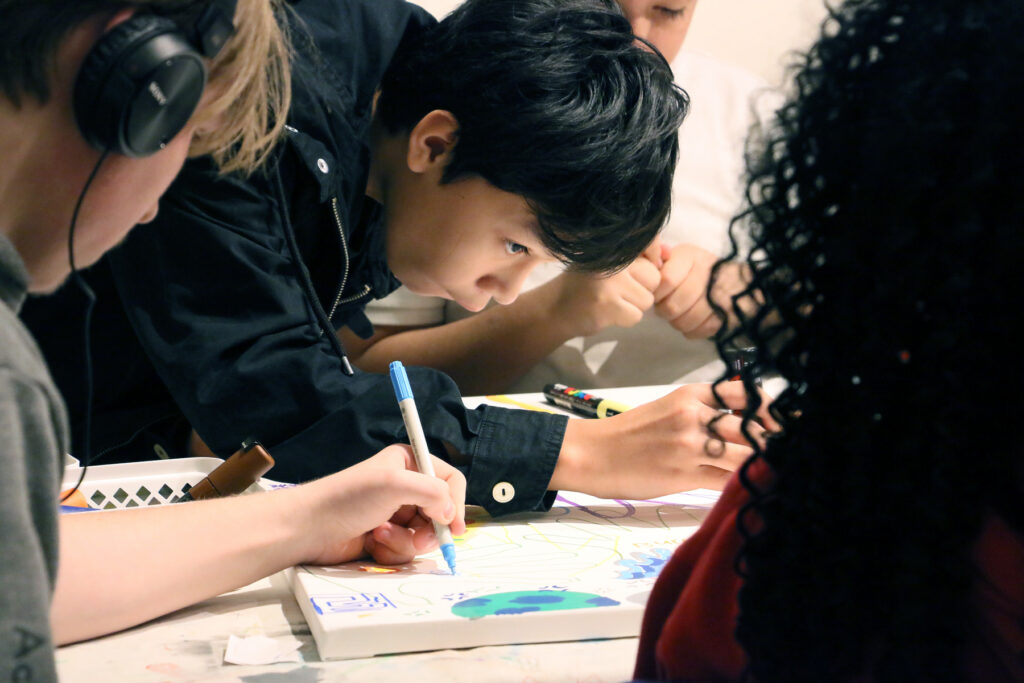
Along with providing The Art of Being Me kits, BCBS MN is partnering with the Minneapolis Institute of Art (Mia). Each club takes part in a one-day trip to Mia for a guided tour of the museum and an art therapy workshop, giving students more tools to manage their mental health challenges.
“Helping young people build healthy coping strategies early is critical,” said Bukata Hayes, chief community health officer at BCBS MN, in a statement. “Youth are facing big challenges, and now more than ever we must invest in their mental health and healing.”
This story was produced by Minnesota teens through ThreeSixty Journalism’s 2026 Multimedia Storytelling Institute, funded by Blue Cross and Blue Shield of Minnesota, as part of its commitment to investing in community-led solutions, so everyone has the opportunity to achieve their healthiest life.
